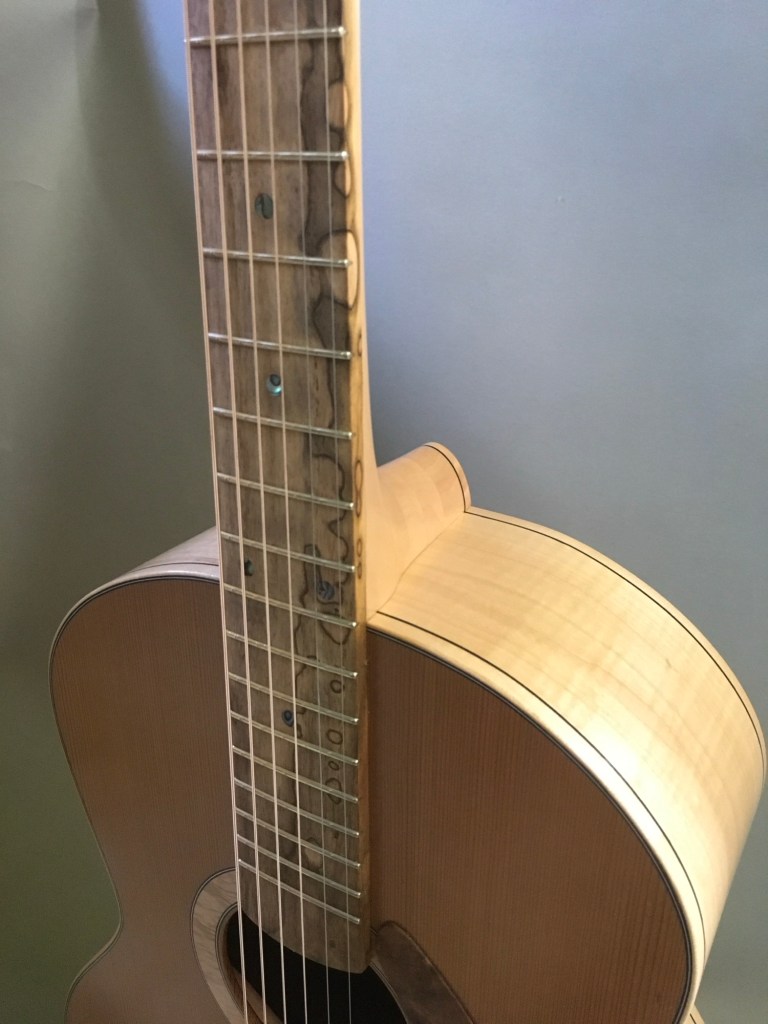
When I began making guitars about ten years ago, besides being very enthusiastic about it all, I was trying to figure out which local woods would work as replacements for traditionally used tropical woods. For most of the material used in guitars, i.e the back, sides, neck, bracing and soundboard, domestic woods work well, think maple, black walnut, spruce, etc. But for certain elements of stringed instruments that need dense, harder wood like fret/finger boards & bridges, the traditional material are woods like ebony, rosewood etc. All amazing woods, but not domestic (US domestic, that is). For my first few guitars I used rosewood (Indian I think) for the fretboards and bridges, some odd pieces I had in my wood piles. It worked well and had the ‘traditional’ look of a dark wood for fret or fingerboards.
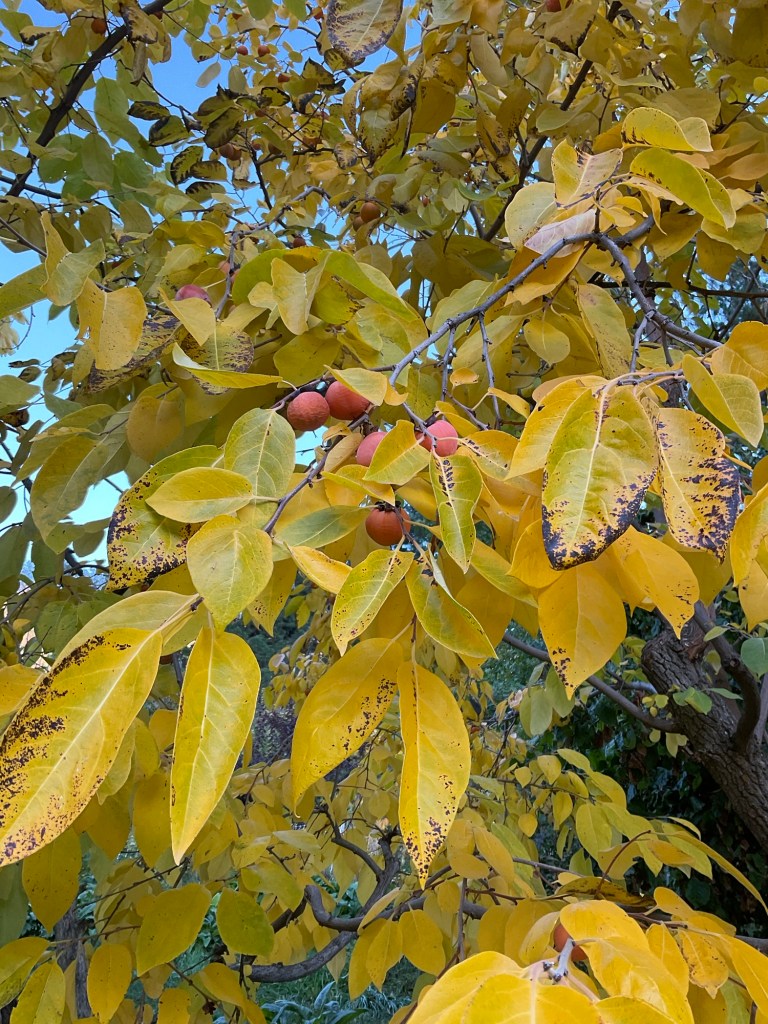
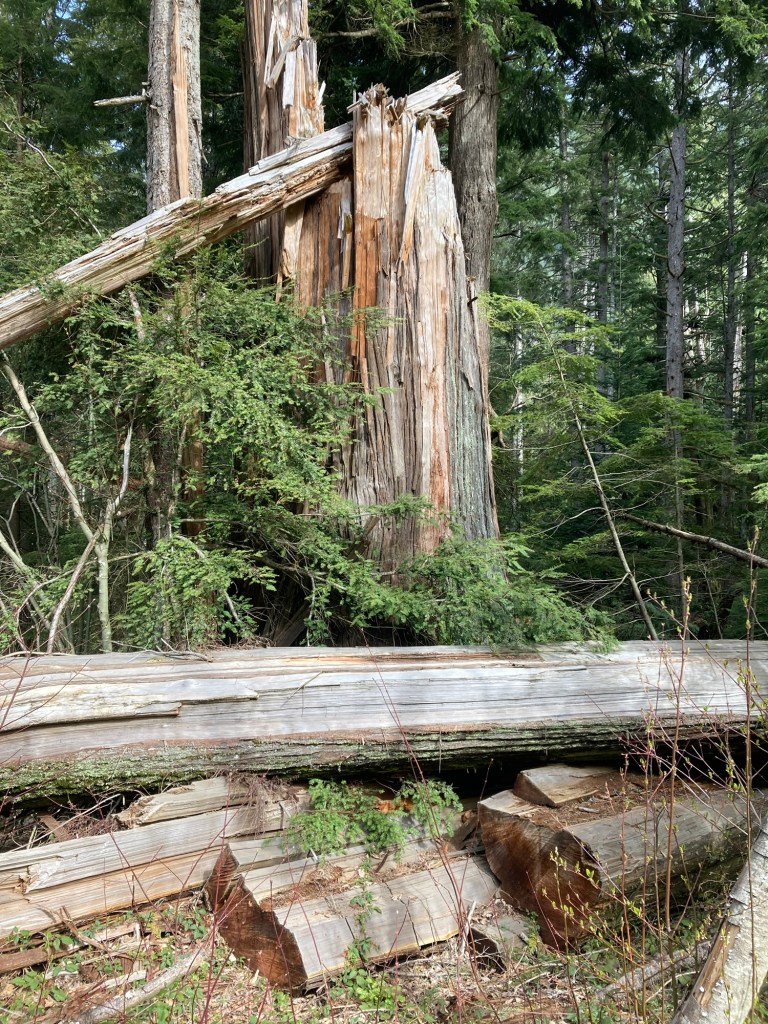
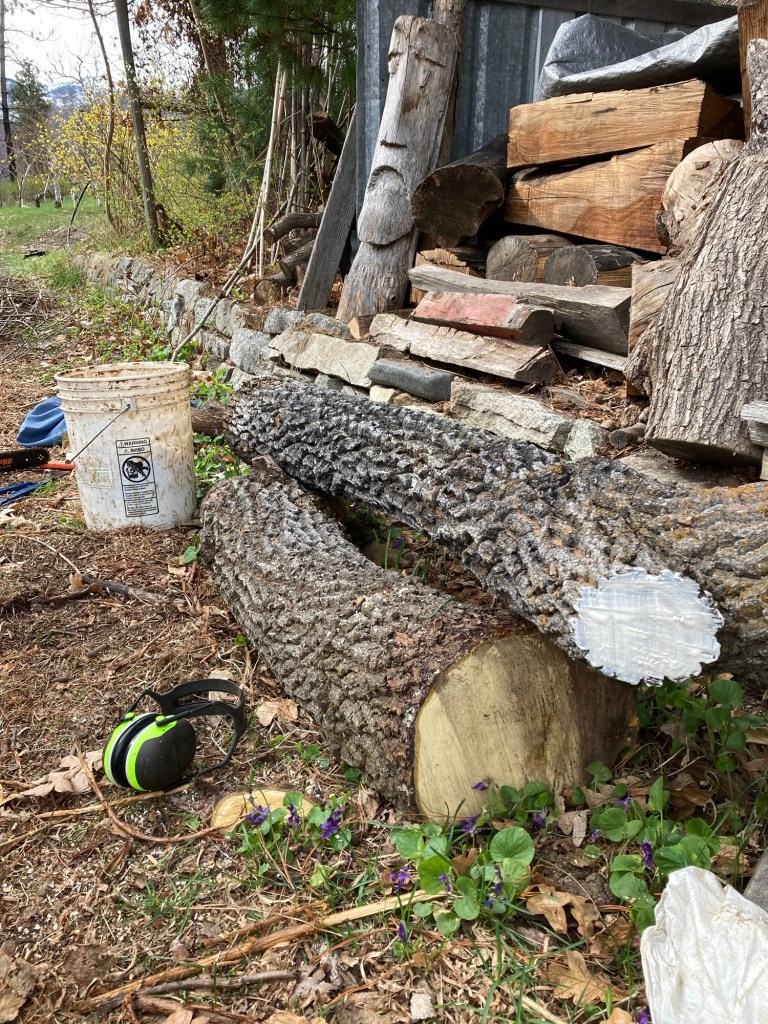
I love harvesting wood, I do it for firewood or building material and for woodworking as well. From the roadside, orchards, residential (with permission, of course) or the forest (permission there too), there’s wood all over the place. Not always worth stopping for, but sometimes it is, and often people are glad for someone to take it away. So for me finding and harvesting wood, it’s kind of like an itch that likes to be scratched occasionally.
Pardon my digression.. When I got into making stringed instruments I was trying to figure out which local or domestic woods would work well for fretboards. Some options I came up with locally are apple, black locust, yellowhorn (xanthoceros sorbifolium), plum, Douglas maple (aka Rocky Mountain maple), Pacific dogwood, and persimmon. Persimmon (Diospyros sp.) is a northern relative to the ebony tree, and is a genus of over 700 species of trees & shrubs. Though not native here where I live, but some were planted on a neighbors place years ago and then were cut down, I happened to be in the right place at the right time to acquire some. We also have trees that we planted and have cut down, adding to my small stash of it. The tree I’m writing about isn’t the persimmon you might see in a produce section, the Japanese persimmon (Diospyros Kaki), an excellent fruit, but what’s known as American persimmon (Diospyros Virginiana). It’s a smaller fruit, quite good as long as it’s ripe, very tannin-ie and astringent if eaten unripe. Our growing season is not always long enough to ripen them, but every few years we get to enjoy them.
I will continue in another post, I’ve probably gone on enough for now.
 Hampel Guitars